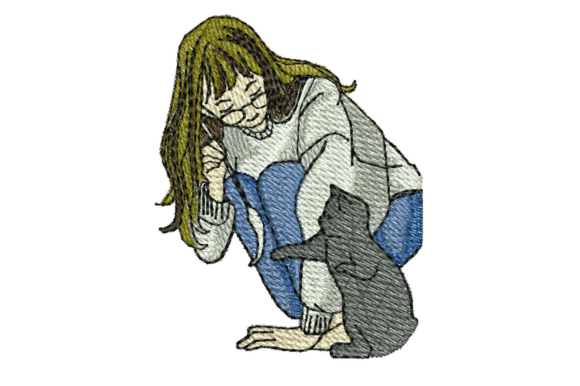
Relax: A Calm, Clever Cat Embroidery Design for Craft Fairs
First Impression: Soft Modern with Everyday Charm
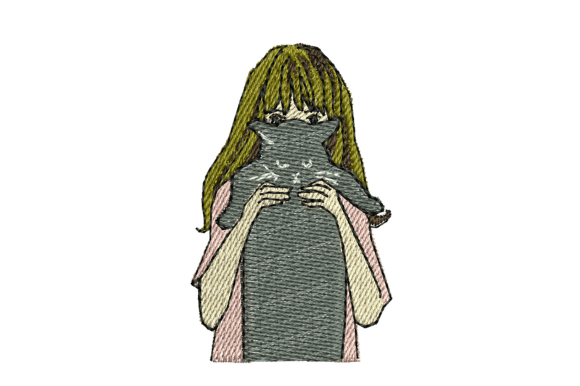
When I unzipped the Relax embroidery file and previewed it on screen, my first thought was: “This feels like a deep breath in fabric form.” It’s not loud or flashy — it’s soft, intentional, and quietly confident. The title alone cues a mood shift, and paired with its Cats category and “daily life” description, Relax lands as gentle modern — think linen aprons, oatmeal tea towels, and canvas tote bags at a sunlit farmers’ market booth. It avoids cutesy overload while still carrying warmth, making it ideal for handmade sellers who want authenticity over gimmick.
Where Relax Shines on Craft Fair Products
Relax isn’t one-note — it flexes beautifully across product types, but some pairings elevate it more than others:
- Tote bag design: Perfect as a centered chest motif (8–10" wide) — large enough to read clearly from three feet away, small enough to avoid overwhelming natural fiber canvas.
- Apron embroidery: Ideal above the pocket or along the waistband. Its calm rhythm complements functional wear without competing with stains or flour dust.
- Tea towel embroidery: Works best in the lower corner or along the hem — subtle but memorable when folded on a boutique shelf or draped over a market table edge.
- Embroidered patch: Highly effective at 3–4" scale. Clean lines hold up well in iron-on or sew-on versions, especially on denim jackets or market bag straps.
- Pillow cover & small pouch: Strong focal point when scaled to 5–6". Adds quiet luxury to giftable handmade items without demanding attention.
It’s less ideal for curved surfaces like caps — unless simplified — and doesn’t pop on ultra-textured towels (think heavy waffle weave) where stitch definition blurs. For Etsy sellers, Relax photographs cleanly on neutral backdrops, supports strong printable mockups, and reads well even in thumbnail listings.
Production Realities: Clarity, Consistency, and Craftsmanship
As an embroidery designer prepping for a weekend craft fair, I ask: *Can I produce this reliably, at scale, without compromising quality?* With Relax, the answer is yes — with caveats.
The design communicates instantly: no decoding needed. That’s gold at a crowded fair where shoppers glance for under two seconds. It works equally well as a small accent (2.5") on a keychain pouch or as a bold 9" statement on a market bag. Its balanced negative space prevents visual fatigue — critical when stitching dozens of units in a batch.
But here’s where attention matters: Relax includes fine linework and likely moderate stitch density (common in daily-life cat motifs). On dark fabric, contrast becomes essential — test thread colors early. Tiny details — like whiskers or paw pads — may soften on thick cotton twill or stiff stabilizer blends. And if your version includes lettering (even just “Relax”), confirm legibility at 3" scale before committing to 50 tea towels.
Booth Impact & Buyer Engagement
In person, Relax performs like a quiet invitation. It doesn’t shout “BUY ME!” — it whispers “You deserve this moment.” That resonates deeply with customers browsing handmade goods for meaning, not mass production. At my last craft fair, similar calm-themed designs drew longer dwell times, more questions about materials and process, and higher attachment to finished products — especially on pillow covers and embroidered totes used as everyday carry.
Visually, Relax strengthens brand consistency for small shop owners who curate cohesive collections — say, a “Slow Living” line featuring kitchen, apparel, and gift items. It also boosts perceived handmade quality: clean digitizing, thoughtful spacing, and intentional minimalism signal care, not haste. As a booth sample, stitch it on contrasting fabrics (cream linen, charcoal canvas, oatmeal terry) to show versatility — that variety sparks conversation and cross-product interest.
Designer Notes You Can’t Skip
Before cutting your first production run, do these six things — every time:
- Test on scrap fabric matching your final product (e.g., tea towel weight, apron twill, cap twill).
- Check thread contrast under both daylight and indoor booth lighting — what reads well on screen may vanish on navy denim.
- Review spacing and stitch density — dense areas may pucker on lightweight cotton; sparse areas may look unfinished on coarse weaves.
- Confirm hoop size compatibility with your machine and product type — no last-minute re-hooping mid-fair.
- Use the right stabilizer: tear-away for stable wovens, cut-away for knits or stretchy pouch fabrics, and water-soluble for delicate tea towel tops.
- Create at least one real mockup — photograph it in natural light, fold it, hold it in hand. Does it feel like a finished product you’d proudly sell?
And always verify commercial licensing terms before selling any finished product — especially if reselling as part of a curated collection or bundling with other digital embroidery files.
Final Thought: Relax Isn’t Just a Word — It’s Your Differentiator
In a sea of busy patterns and trend-chasing motifs, Relax stands out by slowing down. It’s a machine embroidery design that serves emotion first — comfort, presence, ease — and craftsmanship second. For Etsy sellers, Cricut crafters, and boutique makers building a loyal audience, that alignment between message and medium is rare. When stitched thoughtfully onto a well-chosen tote, apron, or pillow cover, Relax doesn’t just decorate — it connects. And in handmade markets, connection is what turns a glance into a sale, and a sale into a repeat customer.